As demand for after-sun relief products continues to grow globally, Sunburn Cooling Patches have become a strategic product category for healthcare, cosmetic, outdoor, and travel brands. However, when entering this market, one key question often arises:
What’s the difference between OEM and Private Label Sunburn Cooling Patches—and which model is right for your brand?
Understanding this distinction is essential for making informed decisions about cost, speed to market, customization, safety, and long-term competitiveness. This article provides a comprehensive and persuasive breakdown of OEM versus private label models, helping brands choose the most suitable approach when working with a professional Sunburn Cooling Patches Manufacturer or Sunburn Cooling Patches Supplier.
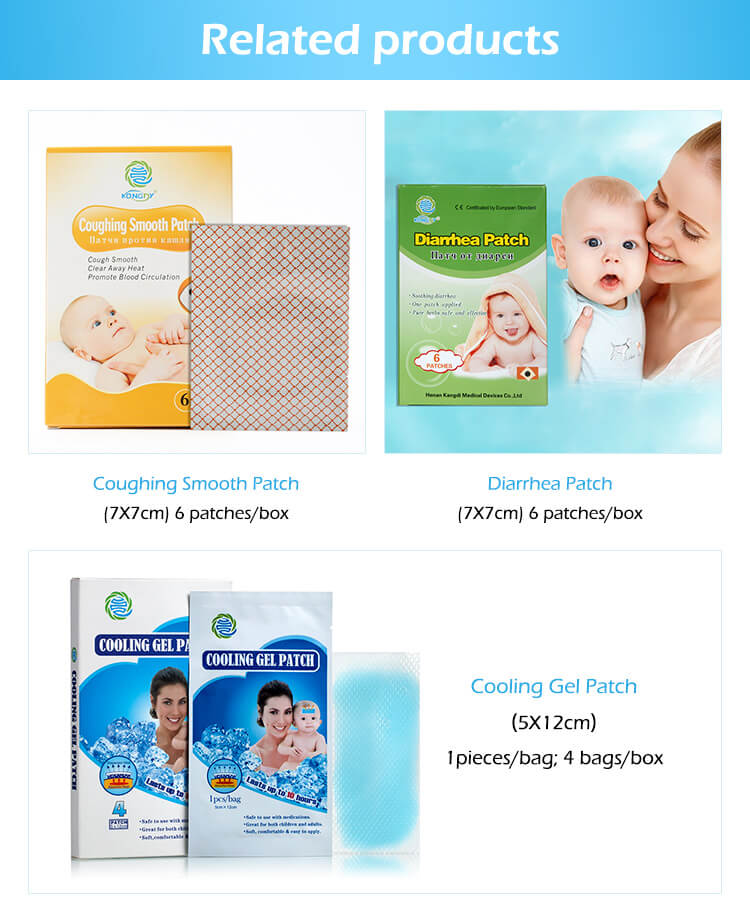
A Sunburn Cooling Patches OEM (Original Equipment Manufacturer) provides end-to-end manufacturing services that allow brands to develop Custom Sunburn Cooling Patches based on specific requirements.
OEM services typically include:
Formulation development or modification
Material and adhesive selection
Performance and safety testing
Packaging customization
Regulatory and compliance support
Scalable mass production
In this model, the OEM acts as a technical and manufacturing partner, helping brands create differentiated products under their own brand identity.
Private Label Sunburn Cooling Patches are pre-developed products manufactured by an OEM and sold under a buyer’s brand name with minimal or no formulation changes.
Private label solutions usually involve:
Proven, standardized formulations
Ready-to-use patch designs
Flexible branding and packaging
Faster production timelines
A reliable Sunburn Cooling Patches Supplier offers private label options for brands that prioritize speed, cost efficiency, and reduced development risk.
OEM manufacturing enables deep customization, including:
Cooling intensity adjustment
Hydrogel composition optimization
Skin-friendly adhesive selection
Patch size and thickness variations
Specialized claims or target users
This level of customization allows brands to differentiate in competitive markets, especially when working with an experienced Sunburn Cooling Patches Manufacturer.
Private label products rely on standardized, validated formulations. Customization is usually limited to:
Brand name and logo
Packaging design
Label language
While less flexible than OEM customization, private label products benefit from stability, consistency, and speed—key advantages for fast-moving or seasonal markets.
OEM projects typically require:
Product concept alignment
Sample development and testing
Validation and compliance checks
While OEM timelines are longer, a capable Sunburn Cooling Patches OEM streamlines these steps using existing technical platforms, ensuring efficient development without compromising quality.
Private Label Sunburn Cooling Patches can often be launched in weeks rather than months because:
Formulations are already validated
Safety data is available
Manufacturing processes are established
For brands responding to seasonal demand, private label solutions offer a significant time advantage.
OEM manufacturing usually involves:
R&D and sampling costs
Tooling or setup fees
Higher minimum order quantities (MOQs)
However, these investments result in greater product differentiation and long-term brand value.
Private label models reduce upfront costs by:
Eliminating R&D expenses
Using shared production resources
Lowering initial MOQs
This makes private label an attractive option for startups or brands testing new markets with the support of a flexible Sunburn Cooling Patches Supplier.
A key misconception is that private label products are less safe than OEM ones. In reality:
Safety is determined by the manufacturing standards and quality systems of the Sunburn Cooling Patches Manufacturer—not by whether the product is OEM or private label.
Both models should follow:
GMP-compliant production
Ingredient safety screening
Skin irritation and compatibility testing
Private label products often use long-established formulations, which may reduce risk. OEM custom products, while innovative, require additional validation.
A professional Sunburn Cooling Patches OEM ensures both models meet the same safety benchmarks.
OEM manufacturers typically provide:
Product classification guidance
Ingredient compliance checks
Technical documentation
This support is essential for brands planning international distribution.
Private label products are often regulatory-ready, meaning:
Documentation already exists
Compliance pathways are tested
Approval timelines are shorter
This is a major advantage for brands entering multiple markets quickly.
OEM manufacturing is ideal for brands that want:
Unique selling points
Specialized performance claims
Premium positioning
Custom Sunburn Cooling Patches help brands stand out in crowded markets.
Private Label Sunburn Cooling Patches suit brands focused on:
Fast expansion
Seasonal promotions
Entry-level or mid-market positioning
They allow brands to build presence without long development cycles.
OEM partnerships support:
Continuous product improvement
Line extensions
Market-specific customization
This makes OEM manufacturing a strong foundation for long-term brand building.
Many brands start with private label and later transition to OEM customization. A capable Sunburn Cooling Patches Supplier supports this evolution seamlessly.
Need product differentiation
Target niche or premium markets
Plan long-term brand investment
Want fast market entry
Have limited R&D resources
Are testing demand or launching seasonally
Both models succeed when supported by a reliable Sunburn Cooling Patches Manufacturer.
Regardless of the model, supplier selection is critical. The right Sunburn Cooling Patches Supplier offers:
Transparent quality systems
Strong regulatory understanding
Flexible production capacity
Long-term partnership mindset
This partnership determines product success more than the manufacturing model itself.
So, what’s the difference between OEM and Private Label Sunburn Cooling Patches?
OEM offers deep customization, differentiation, and long-term brand value.
Private Label offers speed, cost efficiency, and reduced development risk.
Both models can deliver safe, effective, and high-quality Sunburn Cooling Patches when produced by a qualified Sunburn Cooling Patches Manufacturer or Sunburn Cooling Patches OEM.
The best choice depends on your business goals, timeline, budget, and growth strategy—not on perceived quality differences.
Q1: Are Private Label Sunburn Cooling Patches lower quality than OEM products?
A: No. Quality depends on the manufacturer, not the model.
Q2: Can I customize Private Label Sunburn Cooling Patches later?
A: Yes. Many brands start private label and move to OEM customization.
Q3: Which model is faster to launch?
A: Private label products typically launch faster.
Q4: Do OEM manufacturers help with regulatory compliance?
A: Yes. Experienced OEMs provide compliance and documentation support.
Q5: Which option is better for new brands?
A: Private label is often ideal for market entry, while OEM suits long-term growth.

