As global demand for sun care and post-sun skin recovery products continues to rise, Sunburn Cooling Patches have become a high-potential product category for international brands, distributors, and importers. When sourcing these products, buyers often face a critical decision:
Is it better to work with a Sunburn Cooling Patches OEM or a trading company?
At first glance, trading companies may appear convenient, while Sunburn Cooling Patches OEMs promise deeper manufacturing expertise. However, when evaluated through the lenses of quality, compliance, cost control, customization, and long-term scalability, the differences are significant.
This article provides a comprehensive, SEO-optimized analysis to help buyers clearly understand which sourcing model delivers greater value, especially for Custom Sunburn Cooling Patches and Private Label Sunburn Cooling Patches.
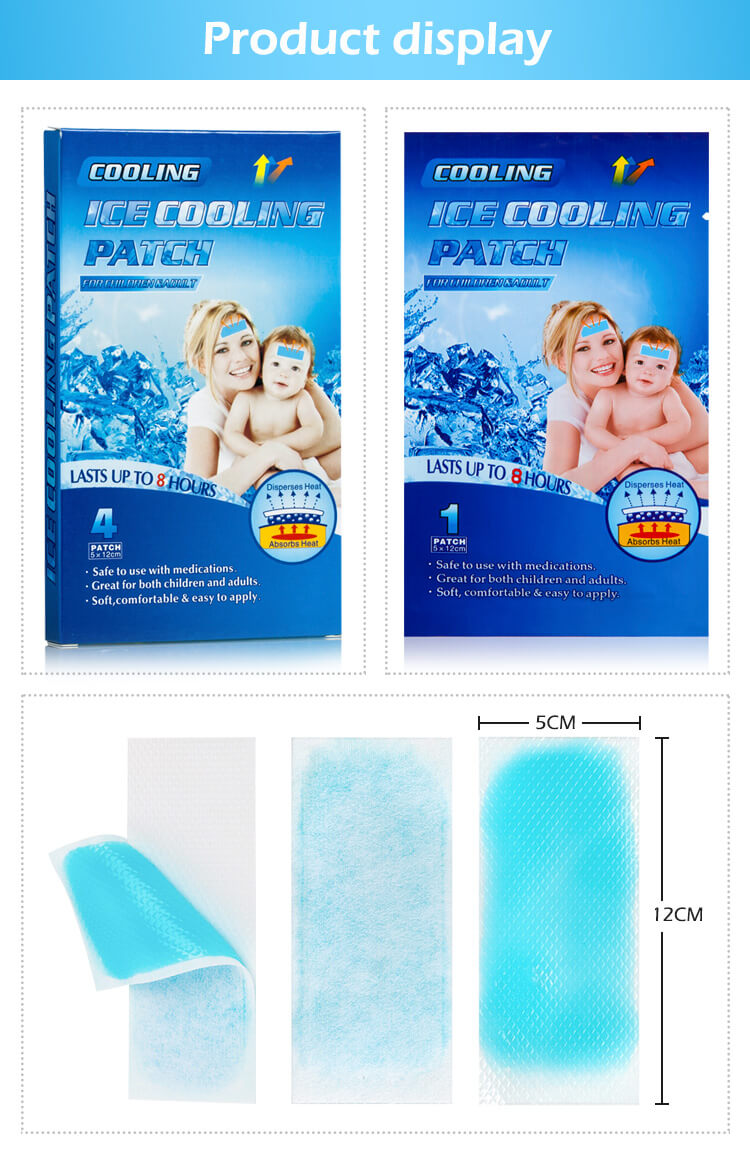
A Sunburn Cooling Patches OEM is a manufacturer that owns or directly controls the production facility. OEMs handle:
Product formulation and R&D
Raw material sourcing
Manufacturing and quality control
Customization and private labeling
Regulatory and compliance support
In many cases, a Sunburn Cooling Patches OEM is also the Sunburn Cooling Patches Manufacturer.
A trading company acts as an intermediary between buyers and factories. Typically, trading companies:
Source products from multiple manufacturers
Do not own production facilities
Focus on sales, logistics, and negotiation
Offer limited technical or quality control support
While some trading companies are professional and transparent, many lack deep control over manufacturing processes.
When working with a Sunburn Cooling Patches Manufacturer, buyers gain:
Direct oversight of production
Consistent quality standards
Full batch traceability
Faster problem resolution
This is especially important for Private Label Sunburn Cooling Patches, where brand owners are fully responsible for product safety and consistency.
Trading companies often source from:
Multiple factories
Changing suppliers based on price
Factories with varying quality standards
As a result, buyers may experience:
Batch-to-batch inconsistencies
Differences between samples and mass production
Limited access to quality documentation
This makes quality verification more difficult and increases long-term risk.
Developing Custom Sunburn Cooling Patches involves more than changing packaging. It may require:
Formula modification
Cooling duration adjustment
Patch size or shape customization
Specialized adhesives or materials
Only a true Sunburn Cooling Patches OEM can:
Validate customization feasibility
Conduct stability and safety testing
Maintain quality after scale-up
Trading companies typically rely on factories’ existing capabilities and cannot guarantee customization outcomes.
For simple Private Label Sunburn Cooling Patches, trading companies sometimes provide:
Lower minimum order quantities
Faster sample turnaround
Simplified communication
However, this speed often comes at the cost of:
Limited quality transparency
Reduced control over future production
A professional Sunburn Cooling Patches Manufacturer builds:
Standardized private label programs
Repeatable production processes
Long-term supply continuity
This stability is critical for brands planning to scale or enter regulated markets.
Working directly with a Sunburn Cooling Patches OEM eliminates intermediary markups. OEM pricing reflects:
Actual material costs
Manufacturing expenses
Quality control investment
Over time, this results in better cost predictability.
Trading companies earn through:
Price markups
Supplier switching
Volume-based negotiations
While initial quotes may appear competitive, long-term costs often increase due to:
Quality issues
Rework or replacement
Regulatory delays
Experienced Sunburn Cooling Patches Manufacturers support compliance by providing:
Safety test reports
Stability data
Regulatory documentation support
This is essential for entering markets such as the US, EU, and Middle East.
Many trading companies:
Rely on factories for documentation
Lack regulatory knowledge
Cannot guarantee compliance consistency
This places additional burden and risk on the buyer.
When issues arise, OEMs provide:
Direct root cause analysis
Immediate corrective actions
Clear accountability
This is crucial for protecting brand reputation.
With intermediaries, responsibility is often unclear:
Factory blames trader
Trader blames factory
This delays resolution and increases risk exposure.
Working with a Sunburn Cooling Patches Manufacturer allows:
Direct access to engineers and QC teams
Faster problem-solving
Accurate technical answers
Trading companies often act as messengers, which can result in:
Delayed responses
Incomplete technical explanations
Miscommunication
Despite the risks, trading companies can be suitable in limited scenarios:
Very small trial orders
Non-regulated promotional products
Short-term sourcing with low customization needs
Even then, buyers should be cautious and verify the actual factory behind the product.
A Sunburn Cooling Patches OEM is the better option when:
Product quality and consistency are critical
You plan to scale long-term
Custom Sunburn Cooling Patches are required
Regulatory compliance matters
Brand reputation is a priority
For most serious brands, OEM partnerships deliver greater long-term value.
Buyers should ask:
Do you own or control the production facility?
Can I audit the factory?
Can you provide batch production records?
Do you handle R&D and QC in-house?
A genuine OEM will answer transparently.
So, is it better to work with a Sunburn Cooling Patches OEM or a trading company?
For buyers seeking quality, control, customization, compliance, and long-term scalability, the answer is clear:
Working directly with a Sunburn Cooling Patches Manufacturer or OEM is the superior choice.
While trading companies may offer convenience in the short term, OEM partnerships provide the foundation for sustainable growth, brand protection, and consistent product quality—especially for Custom Sunburn Cooling Patches and Private Label Sunburn Cooling Patches.
Q1: Are Sunburn Cooling Patches OEMs always more expensive than trading companies?
A: Not necessarily. OEMs often offer better long-term value due to transparency and fewer quality issues.
Q2: Can trading companies provide private label Sunburn Cooling Patches?
A: Yes, but quality control and consistency may vary depending on the factory used.
Q3: Is customization possible through a trading company?
A: Limited customization is possible, but full OEM-level development requires direct manufacturer involvement.
Q4: Who is responsible if quality issues occur?
A: With OEMs, accountability is clear. With trading companies, responsibility is often unclear.
Q5: How can I verify whether a supplier is a true OEM?
A: Request factory audits, certifications, and direct access to production documentation.

