Quality control (QC) is the foundation of safe, reliable, and compliant medical consumable production. When it comes to Medical Cooling Gel Patch OEM manufacturing, QC becomes even more critical because cooling gel patches are applied directly to the skin, often used by infants, elderly individuals, and sensitive-skin users. This means any quality issues—whether related to ingredients, microbial safety, adhesion strength, or packaging integrity—could result in serious consequences.
For brands planning to work with a Medical Cooling Gel Patch Manufacturer, whether for a Custom Medical Cooling Gel Patch formula or a Private Label Medical Cooling Gel Patch line, understanding the importance of quality control is essential for long-term success. Strong QC not only ensures compliance with global regulations but also protects brand reputation, prevents customer complaints, and supports sustainable market growth.
This article explores in detail why quality control is especially critical in Medical Cooling Gel Patch OEM production, what QC systems matter most, how suppliers should implement QC, and how brands can evaluate the QC capability of a Medical Cooling Gel Patch Supplier.
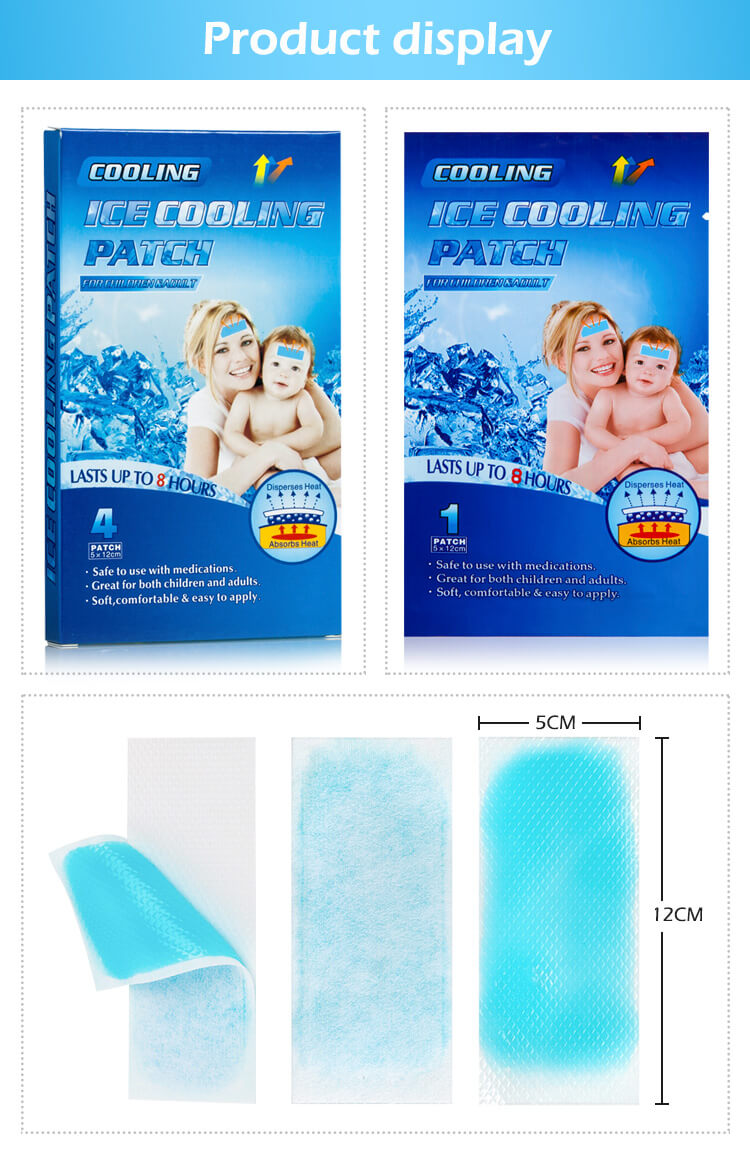
Cooling gel patches may seem like simple consumer items, but they are in fact medical-grade products that involve:
direct skin contact
long-duration adhesion
temperature-sensitive gel formulas
strict microbial limits
biocompatibility requirements
sensitive packaging and storage conditions
Unlike typical cosmetics or daily-use patches, Medical Cooling Gel Patches must meet medical device standards, especially when produced by a Medical Cooling Gel Patch Manufacturer for global markets.
Therefore, quality control governs every aspect of the product’s safety, function, and performance.
Medical Cooling Gel Patches are applied directly to the skin for 6–8 hours or longer. This significantly increases the importance of QC in:
The gel formula, polymer base, adhesive, and other materials must be non-irritant and hypoallergenic. A single poor-quality ingredient can cause:
redness
itching
swelling
allergic reactions
long-term skin sensitivity
A compliant Medical Cooling Gel Patch Supplier performs full biocompatibility testing before mass production.
Cooling gel formulas contain moisture—an ideal environment for bacterial growth if not properly controlled. Poor microbial control leads to:
infections
contamination
foul odors
product spoilage
Therefore, GMP-level hygienic production is essential.
Patch adhesion must remain stable without leaving residue, slipping, or causing pain when removed. Adhesion failures often result from:
inaccurate coating
unstable raw materials
improper gel mixing
poor QC during production
A responsible Medical Cooling Gel Patch Manufacturer uses automated coating machines and conducts adhesion testing for each batch.
OEM production often involves creating a Custom Medical Cooling Gel Patch based on brand requirements. Customization increases risk because:
formulas may include new ingredients
concentrations may differ
performance expectations may be higher
stability must be re-validated
Without a rigorous QC system, batches may vary, leading to inconsistent cooling performance or safety issues.
High-level QC ensures:
ingredient accuracy
formula stability
cross-batch consistency
legal compliance across markets
This is why choosing a qualified Medical Cooling Gel Patch OEM is vital for customized projects.
To sell products globally, brands must comply with:
FDA (U.S.)
CE (Europe)
MHRA (U.K.)
TGA (Australia)
NMPA (China)
GCC (Middle East)
A strong QC system ensures that products meet these standards.
A compliant Medical Cooling Gel Patch Manufacturer must follow:
This is the most important certification, proving:
process validation
batch traceability
risk management
controlled documentation
consistency in quality
This ensures:
cleanliness
proper equipment maintenance
raw material control
staff training
contamination prevention
QC testing for cooling gel patches includes:
microbial testing
skin irritation test
heavy metal analysis
cooling performance test
adhesion and peel-strength test
aging and stability testing
Non-certified suppliers cannot legally support international registrations, putting brands at significant risk.
If a brand works with a supplier lacking strong QC, the consequences can be severe.
Contaminated or defective patches may require a mass recall—extremely costly and reputation-damaging.
Authorities may:
block shipments
revoke licenses
impose fines
ban products from the market
Negative reviews, social media complaints, and customer distrust can destroy long-term brand value.
Inconsistent performance causes:
weak cooling effect
patches falling off
skin irritation
These issues directly impact customer satisfaction and repeat sales.
A world-class Medical Cooling Gel Patch Supplier should provide a complete QC system including:
COA (Certificate of Analysis)
MSDS
purity verification
allergen testing
regulatory compliance checks
All raw materials must meet pharmaceutical or cosmetic-grade standards.
During production, QC technicians must inspect:
gel viscosity
solid content consistency
pH and moisture levels
coating thickness
adhesive strength
This prevents defects before final packaging.
Because the gel contains moisture, microbial control is essential. QC tests include:
total plate count
yeast and mold counts
pathogenic bacteria screening
regular environment monitoring
Before shipment, the factory must perform:
adhesion strength test
cooling duration performance test
stability test
packaging integrity test
appearance inspection
A reputable Medical Cooling Gel Patch Manufacturer conducts batch testing and retains samples for traceability.
Packaging materials must maintain:
barrier protection
moisture resistance
airtight sealing
Defective packaging can lead to microbial growth and reduced cooling performance.
To verify a supplier’s QC strength, brands should check:
Does the manufacturer have ISO 13485, GMP, CE, and FDA registrations?
Do they maintain cleanrooms? Is equipment modern and automated?
Do they have in-house testing capabilities?
Can they provide batch reports, COAs, test results, and QC logs?
Do they accept factory audits or video inspections?
A seasoned manufacturer already understands compliance requirements.
Necessary for Custom Medical Cooling Gel Patch formulations.
A strong supplier will willingly provide all evidence.
Unlike OEM, Private Label uses an existing formula, but QC is still essential because:
mass production must remain consistent
packaging variations require validation
international compliance still applies
transportation and storage conditions affect performance
A high-quality Private Label Medical Cooling Gel Patch depends on stable QC to maintain long-term performance reliability.
Custom OEM increases risk because:
new ingredients may affect stability
formula may react differently in different climates
adhesive balance must be recalibrated
cooling performance must be re-tested
legal compliance varies by market
Without strong QC, the product may fail performance tests or create safety issues.
Quality control is not optional—it is the backbone of any successful Medical Cooling Gel Patch production project. From raw material screening to finished product testing, QC ensures:
safety
performance consistency
regulatory compliance
customer satisfaction
brand reputation protection
A qualified Medical Cooling Gel Patch Manufacturer with strict QC is essential for any brand aiming to succeed in global markets, whether launching a Custom Medical Cooling Gel Patch or a Private Label Medical Cooling Gel Patch line.
Because they are medical-grade products requiring strict microbial, adhesion, and biocompatibility control.
Yes, because customized formulas require stability validation and consistent production.
Absolutely. Even with fixed formulas, QC ensures consistent quality across all batches.
ISO 13485, GMP, CE, and FDA are the key certifications for a reliable Medical Cooling Gel Patch Supplier.
Request factory audits, test reports, QC documents, and verify certifications with issuing bodies.

