In the global healthcare market, regulatory compliance is not optional—it is the foundation of trust, safety, and long-term business success. For any brand working with a Medical Cooling Gel Patch Manufacturer, understanding regulatory requirements such as FDA, CE, and ISO is critical. Whether you are developing a Custom Medical Cooling Gel Patch or launching a Private Label Medical Cooling Gel Patch, choosing a fully compliant Medical Cooling Gel Patch OEM directly impacts your product’s legality, market access, and brand reputation.
This comprehensive guide explains how FDA, CE, and ISO standards apply to the Medical Cooling Gel Patch Supplier ecosystem—and why regulatory compliance separates reliable OEM factories from high-risk producers.
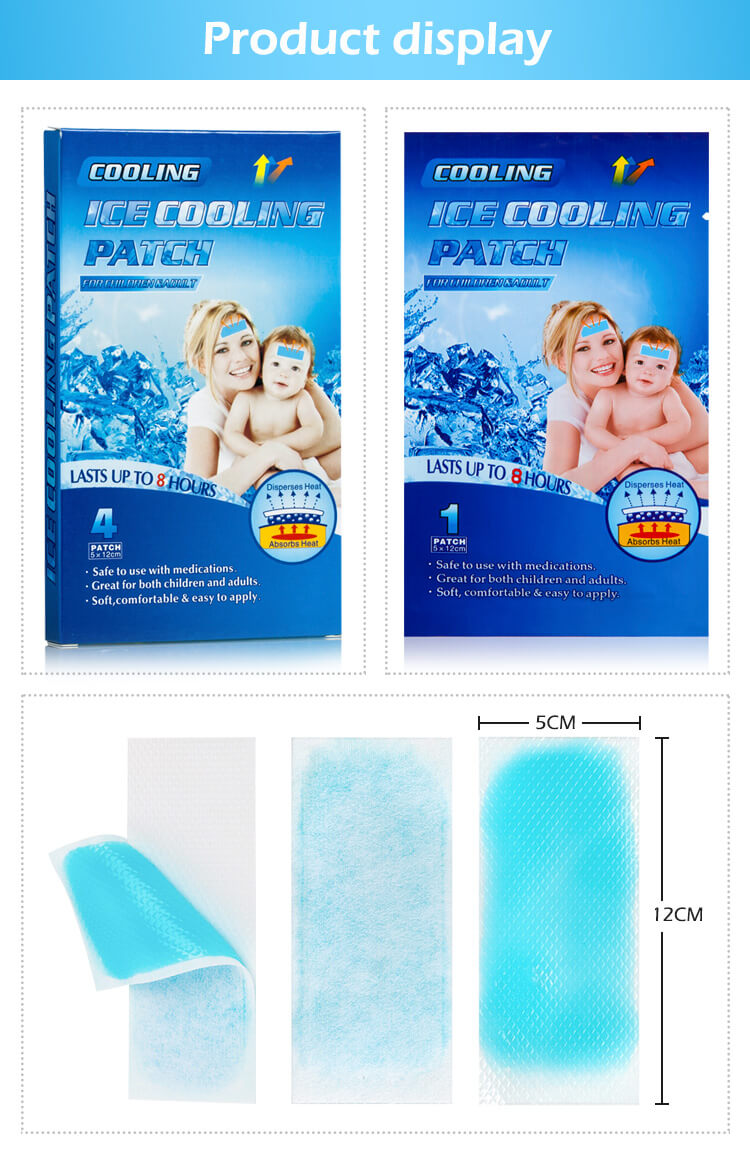
Medical cooling gel patches are widely used for fever management, pain relief, post-surgical care, sports recovery, and pediatric applications. Because these patches directly interact with human skin and may be used in medical settings, they fall under strict regulatory scrutiny.
A fully compliant Medical Cooling Gel Patch OEM ensures:
Product safety and biocompatibility
Stable cooling performance
Absence of toxic or irritant substances
Market legality in major regions
Reduced product liability risks for brands
Without proper compliance, a Medical Cooling Gel Patch Manufacturer exposes brand owners to severe consequences including customs seizures, recalls, lawsuits, and permanent brand damage.
In the United States, cooling gel patches used for medical or therapeutic purposes typically fall under FDA medical device regulations. Depending on product claims, they often fall into:
Class I (low risk)
Class II (moderate risk)
An FDA-compliant Medical Cooling Gel Patch OEM must meet:
Good Manufacturing Practice (GMP)
21 CFR Part 820 Quality System Regulation (QSR)
Product registration and device listing
A qualified Medical Cooling Gel Patch Manufacturer must demonstrate:
Controlled production environment
Raw material qualification
Process validation
Traceability for each batch
Complaint handling and post-market surveillance
For Custom Medical Cooling Gel Patch programs, FDA also evaluates:
Cooling agent safety
Polymer gel biocompatibility
Medical adhesive skin-contact safety
Some cooling gel patches may require 510(k) premarket notification if:
They claim to treat medical conditions
They differ significantly from existing market products
They involve new materials or mechanisms
A professional Medical Cooling Gel Patch OEM assists brands with:
Predicate product identification
Testing documentation
Submission preparation
This support dramatically reduces compliance delays and approval risks.
The CE mark demonstrates that a Medical Cooling Gel Patch Supplier meets the EU Medical Device Regulation (MDR) requirements. CE certification allows unrestricted sales across the European Economic Area (EEA).
CE focuses on three core areas:
Product safety
Clinical effectiveness
Risk management
Most medical cooling gel patches fall into:
Class I (non-powered, low-risk devices)
Class IIa (if advanced therapeutic claims apply)
The classification impacts:
Technical document depth
Clinical evaluation requirements
Notified body involvement
A qualified Medical Cooling Gel Patch Manufacturer must correctly classify products before certification.
CE compliance requires a complete Technical File, including:
Device description
Manufacturing process
Risk analysis (ISO 14971)
Biocompatibility testing
Performance verification
Post-market surveillance plan
This documentation is essential for both Private Label Medical Cooling Gel Patch and Custom Medical Cooling Gel Patch programs.
ISO certification defines whether a Medical Cooling Gel Patch OEM operates with consistent, auditable quality systems.
ISO 13485 is the most important standard for any Medical Cooling Gel Patch Manufacturer. It controls:
Design control
Supplier evaluation
Risk management
Device traceability
Complaint handling
Without ISO 13485, FDA and CE compliance become nearly impossible.
Many Medical Cooling Gel Patch Supplier factories also carry ISO 9001 for:
Process standardization
Production consistency
Management accountability
Although not medical-specific, it strengthens internal operational reliability.
ISO 10993 testing ensures:
No skin irritation
No cytotoxicity
No sensitization
Safe long-term skin contact
This is vital for both Custom Medical Cooling Gel Patch and Private Label Medical Cooling Gel Patch products used repeatedly on patients.
Private label solutions use:
Pre-tested formulas
Approved substrates
Stable manufacturing parameters
This allows:
Faster regulatory approval
Lower compliance cost
Lower risk for distributors and startups
A reputable Medical Cooling Gel Patch OEM already owns the complete regulatory file.
Customization triggers additional regulatory steps:
New formulation validation
Adhesive compatibility testing
Extended stability testing
Revised technical documentation
An advanced Medical Cooling Gel Patch Manufacturer guides this process efficiently to avoid costly trial-and-error delays.
Regulatory compliance does not end at product approval. A responsible Medical Cooling Gel Patch Supplier also provides:
Annual audits
Regulatory updates
Labeling compliance monitoring
Post-market surveillance data
Adverse event support
This long-term regulatory stewardship protects brand owners throughout product life cycles.
Choosing a non-certified supplier exposes brands to:
Customs detention
Market bans
Product recalls
Legal liability
Loss of distributor trust
Brand shutdown
One regulatory failure can permanently destroy years of brand investment. That’s why compliance should always take priority over cheap pricing when selecting a Medical Cooling Gel Patch Manufacturer.
A fully compliant Medical Cooling Gel Patch OEM enables brands to:
Enter the U.S., EU, and Asian markets legally
Access hospital, pharmacy, and tender channels
Build trust with doctors and distributors
Launch long-term institutional supply contracts
Command premium pricing
Compliance is not merely a cost—it is a strategic market access asset.
Before signing with any Medical Cooling Gel Patch Supplier, brands should demand:
FDA Registration Number
ISO 13485 Certificate
CE Certificates with NB numbers
Product test reports (biocompatibility, stability, performance)
Previous export records
A trustworthy Medical Cooling Gel Patch Manufacturer always provides verifiable documentation—not vague assurances.
For healthcare brands, regulatory compliance is not a technical detail—it’s the license to operate. Choosing a fully certified Medical Cooling Gel Patch OEM ensures that every Custom Medical Cooling Gel Patch and Private Label Medical Cooling Gel Patch meets the world’s strictest medical standards.
From FDA approval in the U.S. to CE marking in Europe and ISO systems globally, compliance builds:
Product safety
Market credibility
Legal protection
Commercial scalability
In modern healthcare markets, only fully compliant Medical Cooling Gel Patch Manufacturers will survive and thrive.
1. Is FDA approval mandatory for medical cooling gel patches in the USA?
Yes. Most medical-use cooling patches require FDA registration and GMP compliance.
2. Does private label still need regulatory compliance?
Yes. Private Label Medical Cooling Gel Patch products must still meet FDA, CE, and ISO standards.
3. Which ISO standard is most important for OEM factories?
ISO 13485 is the core medical device quality management standard.
4. How long does CE certification take for medical cooling gel patches?
Typically 3–8 months depending on device classification and documentation readiness.
5. Can custom products reuse OEM regulatory approvals?
Partially. Custom Medical Cooling Gel Patch projects usually require revised testing and documentation.

