As Instant Cooling Gel Patches gain popularity across healthcare, wellness, and consumer markets, regulatory compliance has become a decisive factor for brands and distributors. Whether you are sourcing from an Instant Cooling Gel Patch Manufacturer or launching a Custom Instant Cooling Gel Patch or Private Label Instant Cooling Gel Patch, understanding regulatory requirements is essential to avoid delays, penalties, and market rejection.
A reliable Instant Cooling Gel Patch OEM does more than manufacture products—it provides regulatory awareness, documentation support, and compliance-ready production systems that enable smooth global market entry.
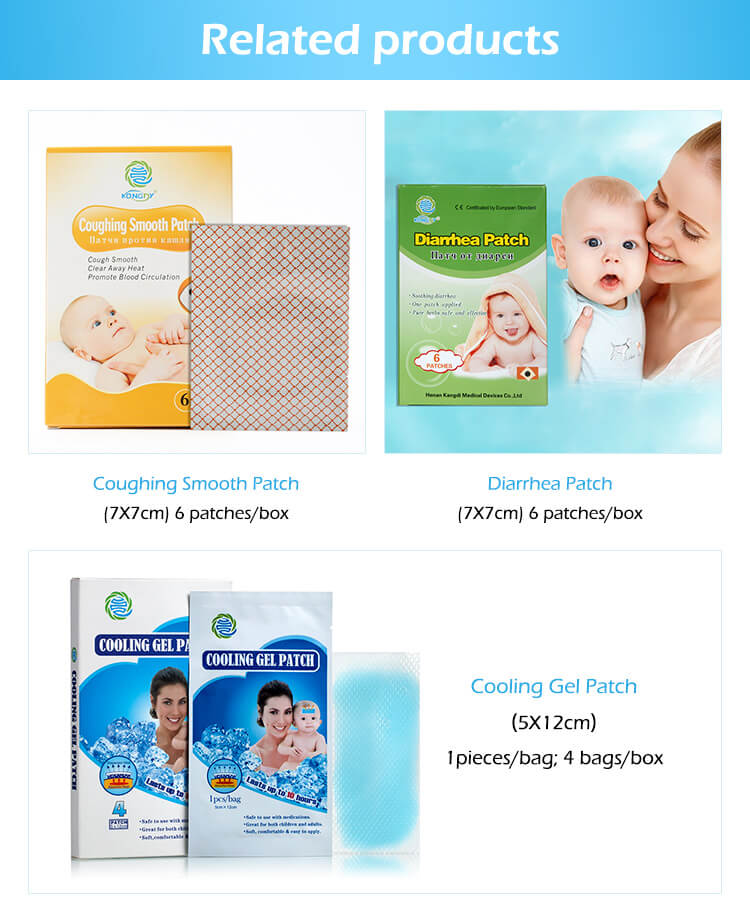
Instant cooling gel patches are skin-contact products, often used for fever relief or physical discomfort. As a result, regulators focus on:
Product safety
Material biocompatibility
Labeling accuracy
Manufacturing quality systems
Non-compliance can lead to import holds, recalls, or permanent brand damage. Choosing the right Instant Cooling Gel Patch Supplier significantly reduces these risks.
In the U.S. market, most Instant Cooling Gel Patches are regulated as medical devices or OTC consumer health products, depending on claims.
A professional Instant Cooling Gel Patch OEM typically supports:
FDA establishment registration (for manufacturers)
Device listing, where applicable
Compliance with FDA Quality System Regulation (QSR) or relevant GMP standards
Proper product labeling and intended-use claims
For Private Label Instant Cooling Gel Patch brands, the OEM’s FDA readiness directly affects your ability to sell in the U.S. market.
For entry into the European market, CE marking is critical when Instant Cooling Gel Patches fall under the Medical Device Regulation (MDR).
A qualified Instant Cooling Gel Patch Manufacturer assists with:
Product classification assessment
Technical documentation preparation
Risk analysis and safety evaluation
Quality management system alignment
Even for non-medical classifications, EU regulations still require strict material safety and labeling compliance.
Beyond FDA and CE, different regions impose their own compliance expectations.
An experienced Instant Cooling Gel Patch Supplier understands:
Asia-Pacific regulatory frameworks
Middle East import documentation needs
Local language labeling requirements
Market-specific safety standards
This global regulatory awareness is especially important for brands planning multi-country distribution using Custom Instant Cooling Gel Patch or private label strategies.
A strong Instant Cooling Gel Patch OEM provides:
Traceable raw material documentation
Batch records and quality reports
Stability and safety test data
Regulatory guidance during product development
This support shortens approval timelines and increases distributor confidence.
Regulatory compliance is not a one-time task—it is an ongoing responsibility embedded in manufacturing quality systems. Whether you are launching a Private Label Instant Cooling Gel Patch or developing a Custom Instant Cooling Gel Patch, partnering with a compliance-ready Instant Cooling Gel Patch Manufacturer is essential.
The right Instant Cooling Gel Patch OEM transforms regulatory complexity into a competitive advantage, enabling faster market access, lower risk, and stronger brand credibility in global markets.
Q1: Are Instant Cooling Gel Patches regulated as medical devices?
It depends on claims and market. Some require medical device compliance, others fall under consumer health regulations.
Q2: Does a Private Label Instant Cooling Gel Patch need FDA compliance?
Yes. Private label brands rely on the OEM’s FDA-compliant manufacturing and documentation.
Q3: Is CE marking mandatory for EU sales?
If classified as a medical device, CE marking is mandatory; otherwise, general product safety regulations still apply.
Q4: Can an OEM help with global regulatory documentation?
Yes. A qualified Instant Cooling Gel Patch OEM provides technical files, test reports, and compliance support.
Q5: Why is OEM selection critical for regulatory success?
Because compliance is built into manufacturing systems, materials, and documentation—not added later.

