In today’s highly regulated health and wellness industry, ensuring regulatory compliance is critical for any company producing and selling over-the-counter pain relief products. Capsaicin patches, popular for their natural, localized pain relief, are no exception. As consumer demand for safe, drug-free pain management grows, brands must meet strict regulatory requirements while remaining competitive.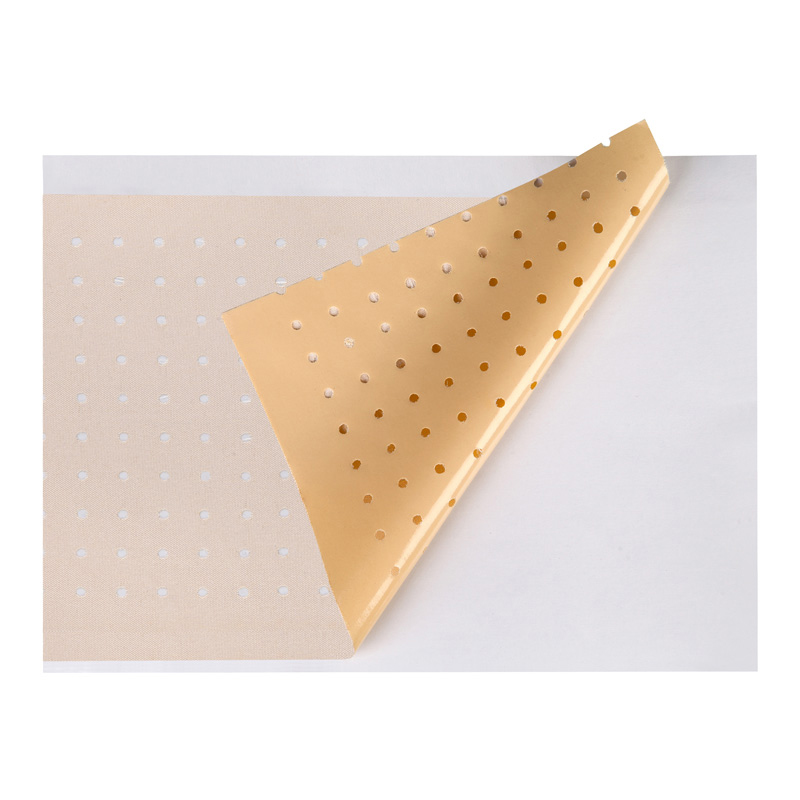
Partnering with an experienced capsaicin patches OEM (Original Equipment Manufacturer) is one of the smartest moves for brands that want to ensure compliance, maintain high quality, and expand their product lines efficiently.
In this article, we’ll explain why regulatory compliance is so important in the pain relief market, how an expert capsaicin patches manufacturer and capsaicin patches supplier can help you navigate complex regulations, and why working with a professional OEM partner is the key to launching safe, market-ready custom capsaicin patches and private label capsaicin patches that customers trust.
Every region has specific rules for the production, labeling, marketing, and sale of transdermal medical devices like capsaicin patches. In the US, for example, the FDA classifies many pain relief patches as medical devices or OTC drugs, depending on the claims made. In the EU, CE marking and compliance with MDR (Medical Device Regulation) are mandatory for market entry.
Key regulatory focus areas include:
Ingredient safety and concentration levels: Capsaicin must meet approved concentration standards.
Manufacturing processes: Facilities must comply with Good Manufacturing Practices (GMP).
Product testing: Patches must pass safety, efficacy, stability, and skin irritation tests.
Labeling and claims: Packaging must accurately represent benefits and usage instructions.
Traceability: Full documentation is needed for batch tracking and potential recalls.
Failing to comply can result in severe penalties, recalls, and damage to your brand reputation. This is why choosing the right capsaicin patches OEM partner is essential for brands that want to grow responsibly.
An experienced capsaicin patches manufacturer understands global regulatory frameworks and ensures that your products are produced according to the highest quality standards. Here’s how an OEM partner helps you stay compliant:
A professional capsaicin patches OEM operates GMP-certified production facilities. This means every step, from raw material sourcing to packaging, follows strict quality control guidelines that align with FDA, CE, or other applicable standards.
Working with a certified capsaicin patches supplier guarantees:
Consistent product quality.
Reduced contamination risks.
Full documentation for audits and inspections.
Easier market entry into multiple countries.
A qualified capsaicin patches OEM assists with:
Safety assessments and toxicology reports.
Stability testing to ensure shelf-life accuracy.
Skin irritation and allergen testing.
Registration dossiers for FDA 510(k) submissions, CE marking, or other local certifications.
They often provide complete technical files and test reports, saving your team months of research and paperwork.
Regulatory compliance doesn’t stop at what’s inside the box—your labeling must be accurate and truthful. A good capsaicin patches manufacturer will guide you on:
Approved claims you can make.
Proper usage instructions.
Contraindications and safety warnings.
Batch codes and traceability labels.
They help you avoid misleading claims that could cause regulatory issues or consumer complaints.
When you expand your line with custom capsaicin patches or private label capsaicin patches, consistency is critical. A reputable capsaicin patches supplier guarantees that every batch meets the same safety, efficacy, and compliance standards, whether you’re producing 5,000 units or scaling to 500,000.
Let’s break down how an OEM partnership can support your brand’s compliance goals on an international scale.
Navigating regulatory requirements independently can delay your product launch by months or even years. An experienced capsaicin patches OEM already has proven processes, certifications, and documentation ready, dramatically shortening your time-to-market.
Mistakes in manufacturing or labeling can lead to fines, recalls, or lawsuits. By working with a reputable capsaicin patches manufacturer, you gain access to compliance experts who understand the nuances of various regulations.
Setting up a compliant facility in-house requires heavy investment in equipment, certifications, audits, and specialized staff. An OEM arrangement allows you to use your supplier’s compliant infrastructure, so you can focus resources on branding and sales.
Your market may demand custom capsaicin patches—for example, different concentrations, patch sizes, or added herbal ingredients. An experienced capsaicin patches OEM ensures that any customization stays within regulatory limits and is supported by the right testing and documentation.
Consumers trust brands that deliver safe, consistent, and effective pain relief solutions. By choosing a capsaicin patches supplier who prioritizes compliance, you protect your reputation and build customer loyalty.
Private Label capsaicin patches are a smart way to enter the market under your own brand while relying on an OEM’s regulatory expertise. With private labeling, your partner handles:
Formulation safety.
Manufacturing.
Labeling.
Packaging compliance.
Your focus is branding, marketing, and distribution. This model makes it easier to meet compliance requirements without developing everything from scratch.
Not all suppliers are equal. To ensure you meet global regulations, choose a capsaicin patches OEM that offers:
✅ Proven experience: Check their history, client list, and export record.
✅ Relevant certifications: GMP, ISO 13485, FDA registrations, CE marking.
✅ Transparent documentation: They should share technical files, test reports, and audit records.
✅ Customization capability: They must be able to adjust formulations without violating safety standards.
✅ Clear communication: Compliance is detail-oriented. You need a partner who responds quickly and clearly.
1️⃣ Request certifications and audit reports upfront.
2️⃣ Clarify local regulatory requirements for your target markets.
3️⃣ Ask for compliance support: Many suppliers offer help with registration.
4️⃣ Check for batch testing: Ensure they test each production lot.
5️⃣ Review sample labels: Confirm your claims align with regulations.
A proactive approach protects your business and your customers.
Imagine a wellness brand wants to launch custom capsaicin patches with added menthol for sports recovery in the EU. A knowledgeable capsaicin patches OEM will:
Ensure the menthol concentration stays within EU guidelines.
Provide stability and skin irritation test reports.
Supply CE documentation.
Advise on legal marketing claims.
Package the product with compliant labels in the local language.
This makes expansion smooth, saves costs, and builds trust.
As demand for natural pain relief grows, regulations are becoming stricter worldwide. Customers expect transparency about ingredients and proof of safety. Brands that ignore compliance risk recalls, fines, and reputational damage.
By partnering with a reliable capsaicin patches manufacturer or capsaicin patches supplier, you future-proof your pain relief product line. You can introduce new private label capsaicin patches and custom capsaicin patches confidently, knowing your OEM partner is ready to handle evolving regulations.
Launching pain relief products like capsaicin patches without robust regulatory support is risky. Partnering with a trusted capsaicin patches OEM makes the process faster, safer, and more cost-effective.
With a proven capsaicin patches manufacturer, your brand can deliver safe, compliant products that meet customer needs, gain market trust, and open doors for global expansion.
In the competitive pain relief industry, compliance is not optional—it’s your brand’s foundation for growth.
1. Why is compliance important for capsaicin patches?
Compliance ensures your products are safe, legal, and trusted by regulators and consumers.
2. How does a capsaicin patches OEM help with compliance?
They handle manufacturing under GMP, provide test reports, and help with registration and labeling.
3. Can I customize capsaicin patches and stay compliant?
Yes. A good capsaicin patches manufacturer ensures your customizations meet local safety standards.
4. What are the risks of non-compliance?
Penalties, recalls, lawsuits, and damage to your brand reputation.
5. Are private label capsaicin patches compliant?
Yes, if produced by a certified capsaicin patches supplier with proper documentation.
6. What certifications should a capsaicin patches OEM have?
GMP, ISO 13485, FDA registration, and CE marking for medical devices.
7. Can an OEM help with global market entry?
Absolutely. They provide documentation and support for multiple countries.

