When launching Custom Waist Heat Patches, product safety is not just a recommendation—it is a critical requirement that determines brand credibility, consumer trust, and long-term business success. Heat patches directly contact the skin, generate continuous warmth, and are used for pain relief across the waist, abdomen, and lower back. Without proper testing, even a well-designed product may cause burns, allergic reactions, overheating, or patch malfunction. Therefore, whether produced through a Waist Heat Patches OEM or manufactured by an independent Waist Heat Patches Supplier, safety testing is essential and should never be overlooked.
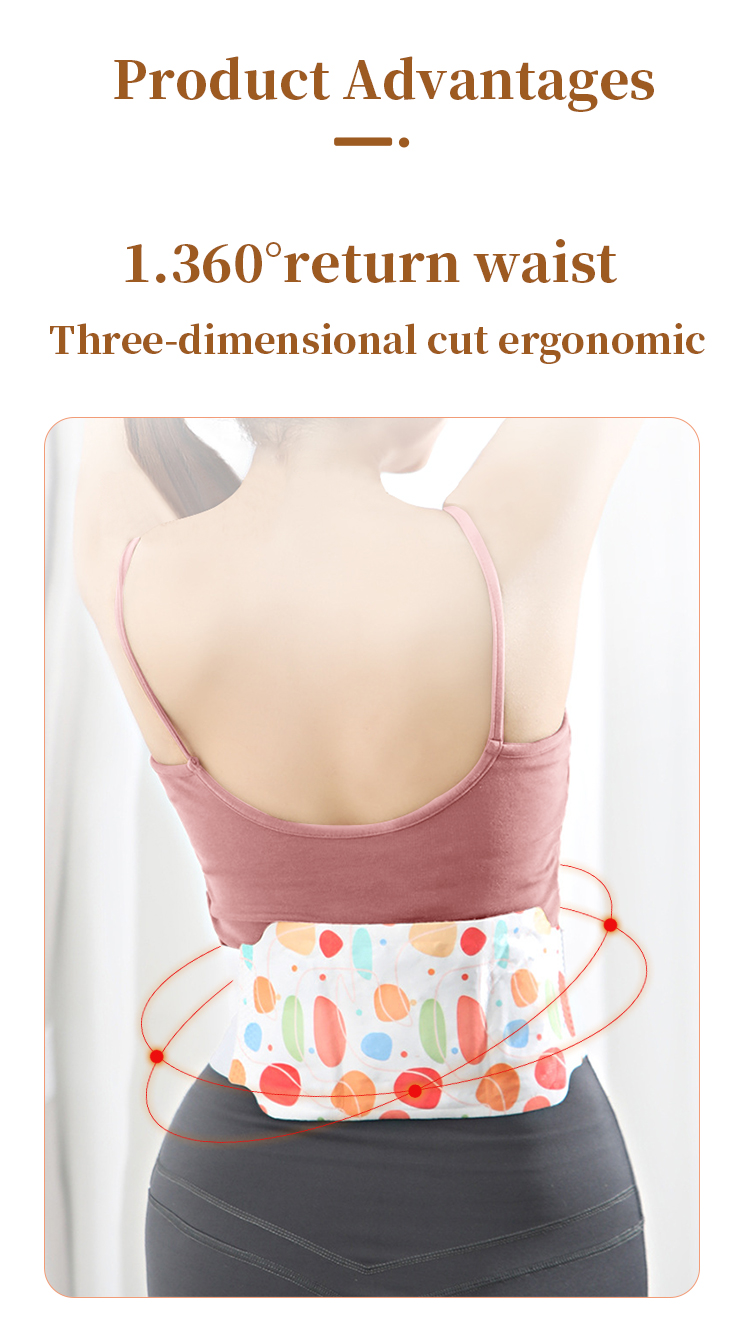
Direct Skin Contact Increases Risk
Heat patches are worn for several hours, sometimes even overnight. Without proper testing, adhesive irritants or overheating formulas could cause redness, rashes, or even burns. Safety validation ensures that Custom Waist Heat Patches remain gentle, steady, and comfortable.
Temperature and Heating Duration Must Be Regulated
A reliable Waist Heat Patches Manufacturer performs consistent thermal stability testing to check temperature curves. This prevents sudden heat spikes or inconsistent warmth that could harm users.
Ingredient Compatibility Must Be Confirmed
Raw materials—iron powder, carbon, saline, and fabric layers—must undergo reaction stability and moisture absorption tests. This ensures the patch activates correctly and does not degrade during storage or use.
Regulatory Compliance for Market Entry
Many countries require CE, MSDS, and dermatological test reports for heat patches. If your product will enter global markets, working with a qualified Waist Heat Patches Supplier is the most efficient way to secure compliance documentation.
A professional Waist Heat Patches OEM should offer the following:
| Test Type | Purpose |
|---|---|
| Skin Irritation Test | Ensures adhesive and materials are safe for sensitive skin |
| Temperature Curve Test | Confirms stable and safe heat output |
| Microbial & Hygiene Test | Prevents contamination during production |
| Material Stability Test | Verifies long-term shelf-life and storage performance |
These tests protect end-users, but more importantly, protect your brand reputation.
Whether producing mass-market or premium Private Label Waist Heat Patches, safety testing is mandatory for quality assurance and regulatory compliance. By choosing a certified and experienced Waist Heat Patches Manufacturer, you guarantee product performance, reduce legal risk, and build a brand consumers trust with confidence.
| Question | Answer |
|---|---|
| Do all Custom Waist Heat Patches require testing? | Yes—especially for new formulas or adhesive materials. |
| Can OEM manufacturers handle testing? | A professional Waist Heat Patches OEM provides full testing and documentation. |
| Are Private Label Waist Heat Patches tested too? | Yes, they must meet the same safety standards as custom products. |
| How do I verify supplier testing capability? | Request certificates, lab reports, and heat stability data before orders. |

