A Strategic and Operational Analysis for Growing Wellness Brands
As the global wellness market becomes more competitive, brands sourcing Herbal Detox Foot Patches are increasingly asking a critical strategic question:
Can one Herbal Detox Foot Patches Manufacturer effectively support both Private Label Herbal Detox Foot Patches and Custom Herbal Detox Foot Patches models?
The answer is yes—but only if the manufacturer has the right capabilities, systems, and mindset. This in-depth, article explores how a qualified Herbal Detox Foot Patches Manufacturer or Herbal Detox Foot Patches OEM can successfully serve both models, what brands should look for, and how this dual capability supports long-term growth and profitability.
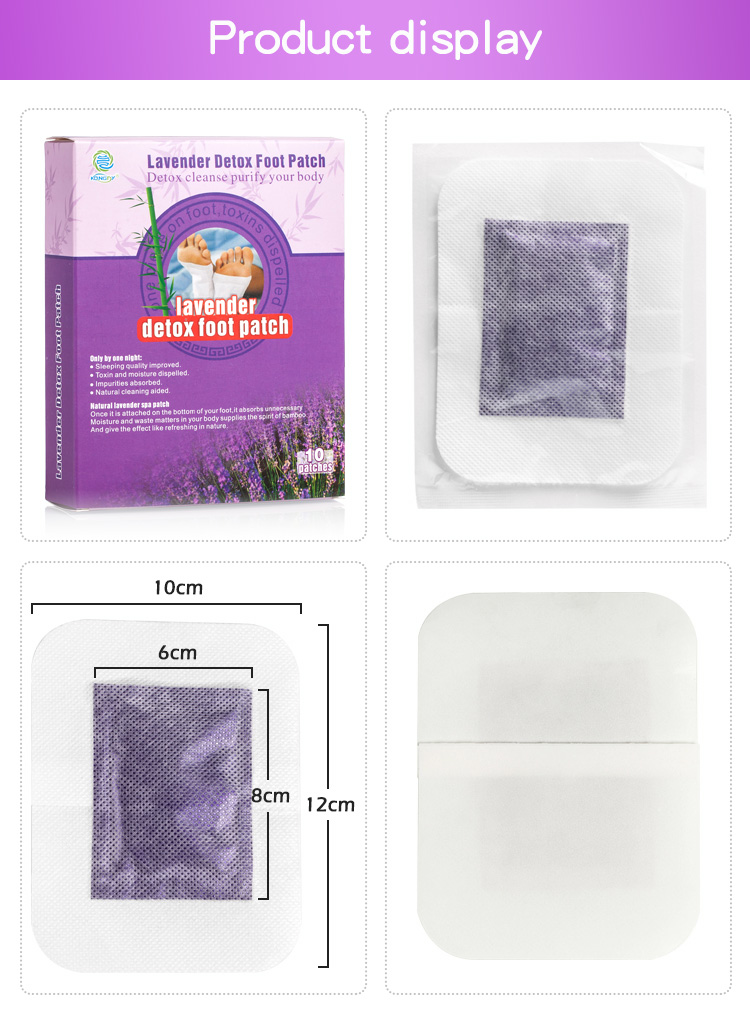
Before evaluating manufacturer capability, it is important to clearly define the two models.
Private Label Herbal Detox Foot Patches are based on standardized formulations and production processes already developed and validated by the manufacturer. These products are designed for:
Fast market entry
Cost efficiency
Proven stability and consistency
Private label is ideal for brands seeking speed, lower risk, and predictable pricing.
Custom Herbal Detox Foot Patches are developed specifically for one brand and may include:
Proprietary herbal blends
Customized patch structures or materials
Market-specific formulations
Unique packaging and positioning
Customization emphasizes differentiation, exclusivity, and long-term brand value—but requires stronger technical and quality capabilities.
Working with one Herbal Detox Foot Patches Supplier for both private label and custom products offers significant advantages:
Simplified communication and project management
Consistent quality standards across product lines
Easier transition from private label to custom development
Better pricing leverage through consolidated volumes
However, not every manufacturer can realistically support both models at a high level.
A manufacturer that truly supports both private label and custom models must operate more like a platform, not just a factory.
For private label, R&D ensures:
Stable, validated formulas
Ongoing performance optimization
For custom projects, R&D must:
Develop or modify herbal formulations
Test compatibility and stability
Support differentiation while managing cost
A capable Herbal Detox Foot Patches OEM maintains an active R&D team, not just production staff.
Private label production requires:
High-efficiency, repeatable processes
Optimized production lines
Economies of scale
Custom products require:
Adjustable filling and sealing parameters
Small-batch and pilot-run capability
Careful segregation of materials
A manufacturer that supports both models designs its facility to balance efficiency with flexibility.
Quality management is where many manufacturers fail to support both models.
Private label QC focuses on:
Process stability
Routine inspection
Batch consistency
Custom QC requires:
Formula-specific documentation
Change control systems
Brand-specific inspection criteria
Enhanced traceability
A strong Herbal Detox Foot Patches Manufacturer integrates both approaches into one unified quality system.
A manufacturer supporting both models must manage different documentation depths.
Private Label Herbal Detox Foot Patches: Standard dossiers, labels, and compliance files
Custom Herbal Detox Foot Patches: Dedicated formulation files, version control, and market-specific documentation
This capability is especially important for brands selling across multiple regions.
To support both models, a Herbal Detox Foot Patches Supplier must:
Maintain approved raw material supplier lists
Support alternative ingredient sourcing for customization
Ensure consistent quality across different formulations
This dual sourcing capability allows the manufacturer to serve diverse brand strategies without compromising quality.
Manufacturers that handle both models effectively understand how to:
Allocate shared costs fairly
Price private label products competitively
Clearly explain cost drivers for custom projects
Transparent pricing builds trust and supports long-term collaboration.
One of the biggest advantages of a dual-capability manufacturer is scalability.
Brands can start with Private Label Herbal Detox Foot Patches to test the market
Transition to Custom Herbal Detox Foot Patches as volumes and brand confidence grow
Scale both product lines without changing suppliers
This continuity reduces risk and preserves institutional knowledge.
Not all manufacturers that claim dual capability truly deliver.
Warning signs include:
Strong private label offerings but weak R&D
Willingness to “customize” without proper documentation
Limited quality control explanation
Resistance to audits or transparency
Brands should verify capabilities, not assume them.
When assessing a Herbal Detox Foot Patches Manufacturer, brands should ask:
Do you have separate processes for private label and custom projects?
How do you manage change control for custom formulations?
Can you provide examples of both product types?
How do you ensure quality consistency across models?
Clear, confident answers indicate real capability.
Manufacturers that successfully support both models become long-term partners rather than short-term vendors.
They help brands:
✔ Launch faster
✔ Differentiate strategically
✔ Control costs
✔ Reduce operational risk
✔ Scale sustainably
This partnership mindset is increasingly valuable in competitive wellness markets.
One Herbal Detox Foot Patches Manufacturer can support both private label and custom models—but only with the right infrastructure, systems, and expertise.
A truly capable Herbal Detox Foot Patches OEM combines:
Efficient standardized production
Flexible customization capability
Strong quality and documentation systems
Transparent communication
For brands, choosing such a partner means gaining not just a supplier, but a strategic ally that supports growth from entry-level private label products to premium custom innovations.
A: Not if the manufacturer has proven systems and clear process separation.
A: Yes. This is one of the biggest advantages of a dual-capability manufacturer.
A: Usually yes, but higher differentiation often allows stronger pricing and margins.
A: By reviewing R&D capability, quality systems, documentation, and past project examples.
A: No. Many specialize in one model, so careful evaluation is essential.

